Cheque Bounce in India: Legal Action, Penalties & Complete Process Guide

Cheque bounce, also known as dishonour of cheque, is a common financial and legal issue in India that can lead to serious consequences if not handled properly. Governed under Section 138 of the Negotiable Instruments Act, 1881, cheque bounce cases are considered criminal offences and can result in penalties, fines, or even imprisonment. Understanding […]
Cheque Bounce Disputes: Legal Framework and Practical Solutions
Cheque bounce disputes are among the most common financial and legal issues in India, affecting individuals, businesses, and financial institutions alike. A cheque bounce, also known as dishonour of cheque, occurs when a bank refuses to process a cheque due to insufficient funds, signature mismatch, account closure, or other technical reasons. To address such […]
Cheque Bounce Law Explained by Legal Experts: Section 138 NI Act Guide
Cheque bounce cases are one of the most common financial disputes in India. Governed by Section 138 of the Negotiable Instruments Act, 1881, these cases provide legal protection to individuals and businesses against dishonoured cheques. Understanding the legal framework, procedures, and remedies is essential for both the payee (recipient) and the drawer (issuer of […]
Cheque Bounce Cases: Rights of the Payee and Legal Actions
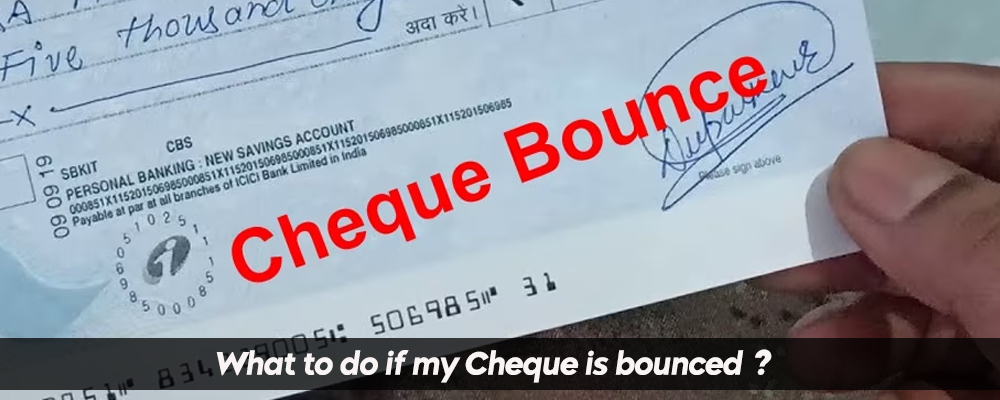
Cheque bounce cases, legally referred to as dishonour of cheque cases, are common financial disputes in India. They occur when a cheque issued by an individual or company is returned unpaid by the bank due to insufficient funds, discrepancies, or other reasons. The law provides clear remedies for the payee to claim the amount due, […]
Cheque Bounce Laws in India: Protecting Your Financial and Legal Interests
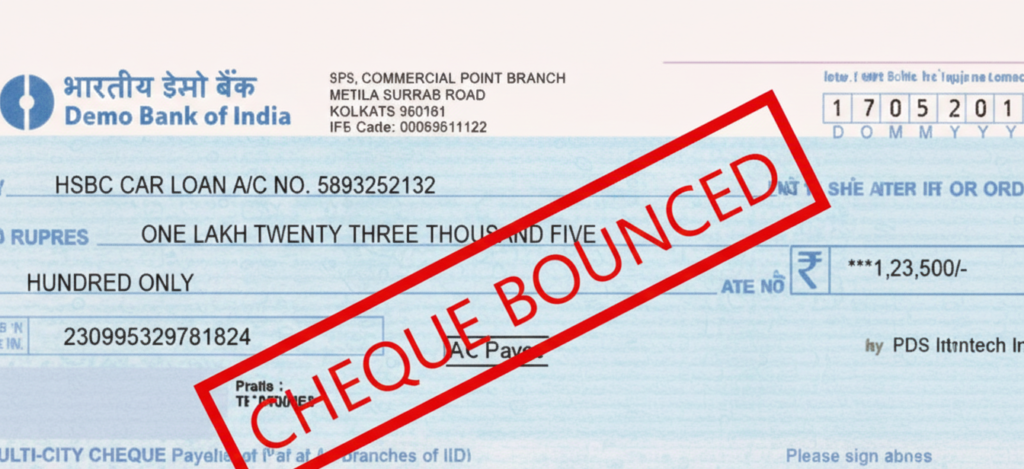
Cheque Bounce: Cheque bounce cases are a common legal and financial concern in India. When a cheque issued by an individual or business is dishonored by the bank due to insufficient funds or other reasons, it can lead to legal disputes under the Negotiable Instruments Act, 1881. Understanding the legal framework, rights of the parties […]