Anticipatory Bail – Complete Guide (India)
Anticipatory Bail is a crucial legal provision in India that protects an individual from arrest in situations where they anticipate being accused of a non-bailable offense. It is a preventive legal remedy designed to safeguard personal liberty and prevent misuse of the law by false or motivated allegations. This provision is governed under Section […]
Cheque Bounce in India: Legal Action, Penalties & Complete Process Guide

Cheque bounce, also known as dishonour of cheque, is a common financial and legal issue in India that can lead to serious consequences if not handled properly. Governed under Section 138 of the Negotiable Instruments Act, 1881, cheque bounce cases are considered criminal offences and can result in penalties, fines, or even imprisonment. Understanding […]
Cheque Bounce Disputes: Legal Framework and Practical Solutions
Cheque bounce disputes are among the most common financial and legal issues in India, affecting individuals, businesses, and financial institutions alike. A cheque bounce, also known as dishonour of cheque, occurs when a bank refuses to process a cheque due to insufficient funds, signature mismatch, account closure, or other technical reasons. To address such […]
When and How Bail is Granted in India: A Lawyer’s Practical Guide

Bail is a fundamental concept in Indian criminal law that ensures a balance between an individual’s personal liberty and the interests of justice. Rooted in the principle that a person is presumed innocent until proven guilty, bail allows an accused to remain free while awaiting trial, subject to certain conditions. Understanding when and how bail […]
Bail in India 2026: Complete Guide to Legal Rights and Procedures

Bail is a critical aspect of criminal law in India, serving as a legal mechanism to ensure that individuals accused of crimes are not unnecessarily detained before their trial. Understanding bail laws, procedures, and rights is essential for accused individuals, legal professionals, and their families. This guide explores bail in India in 2026, covering types, […]
Anticipatory Bail

Anticipatory Bail in India: Meaning, Legal Provisions, and Court Procedure Explained Anticipatory bail is an important legal remedy under Indian criminal law that provides protection to a person who apprehends arrest in a non-bailable offence. It acts as a safeguard against unnecessary detention and ensures that individual liberty is not compromised without due process of […]
Cheque Bounce Cases: Rights of the Payee and Legal Actions
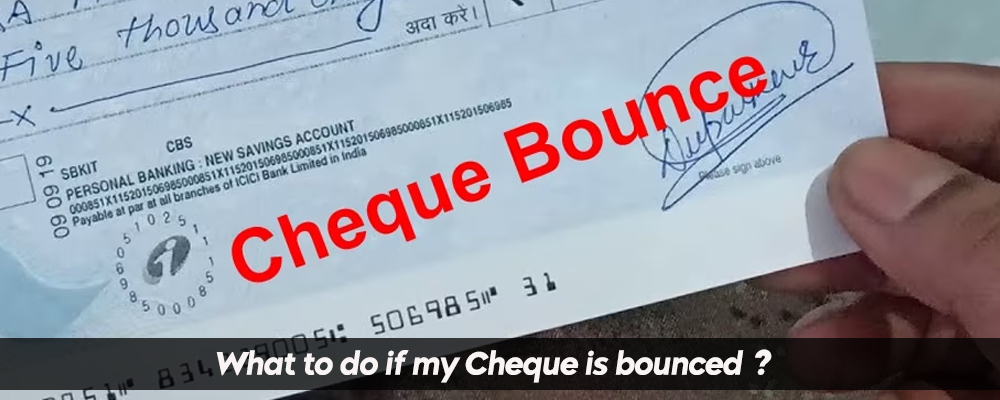
Cheque bounce cases, legally referred to as dishonour of cheque cases, are common financial disputes in India. They occur when a cheque issued by an individual or company is returned unpaid by the bank due to insufficient funds, discrepancies, or other reasons. The law provides clear remedies for the payee to claim the amount due, […]
Cheque Bounce Laws in India: Protecting Your Financial and Legal Interests
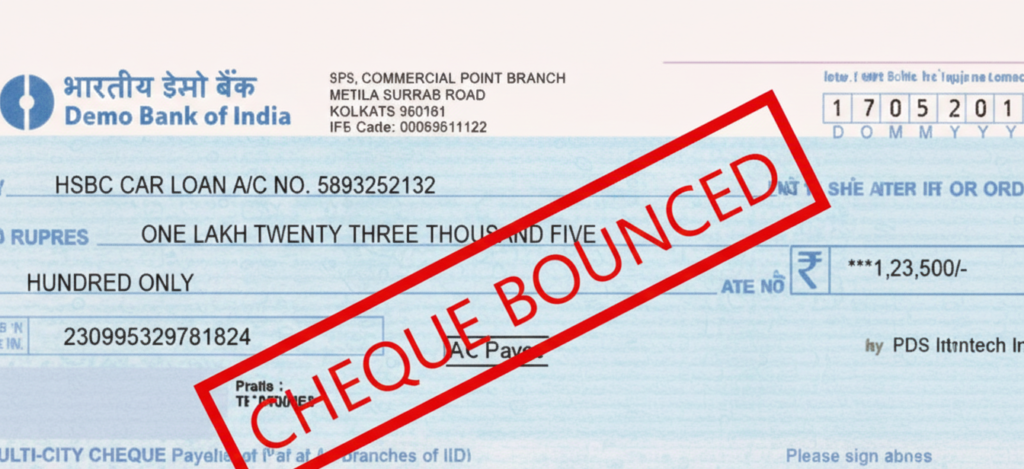
Cheque Bounce: Cheque bounce cases are a common legal and financial concern in India. When a cheque issued by an individual or business is dishonored by the bank due to insufficient funds or other reasons, it can lead to legal disputes under the Negotiable Instruments Act, 1881. Understanding the legal framework, rights of the parties […]
Rape Case Laws in India: Legal Framework Rights of Victims & Role of a Criminal Lawyer

Rape is one of the most serious criminal offences under Indian law. It is not only a violation of a person’s body but also an attack on dignity autonomy and fundamental rights. The Indian legal system treats rape cases with strict provisions under the Indian Penal Code and other special legislations to ensure justice deterrence […]
Cheque Bounces
When a Cheque Bounces: Legal Steps You Must Know A bounced cheque occurs when a cheque issued by an individual or business is returned unpaid by the bank due to insufficient funds, signature mismatch, or other discrepancies. In India, such cases are governed by Section 138 of the Negotiable Instruments Act, 1881 (NI Act), providing […]